
Working in Confined Spaces Safety And Compliance

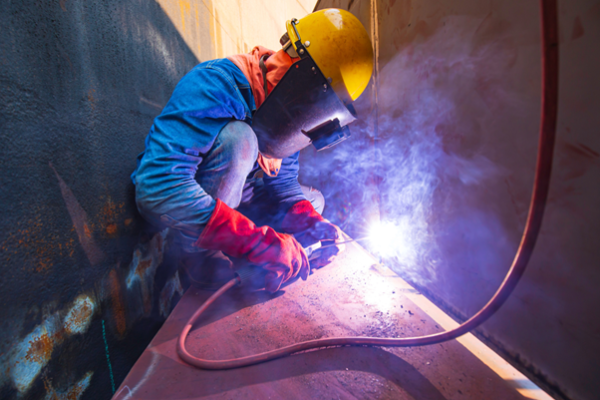
Working in confined spaces is classified as high risk work under Australian safety legislation and requires strict procedures, risk assessments, and documentation. Businesses must comply with confined space regulations to ensure workers are protected from serious hazards and life threatening risks.

Your Safety Partners helps businesses identify confined space hazards, complete confined space risk assessments, and implement compliant confined space safety procedures that meet WorkSafe confined space requirements.

Request an Confined Spaces Evaluation Speak With a Safety Consultant

5.0 ★★★★★

Based on 20 reviews

Speak With a Confined Space Safety Expert Today


    No obligation. Confidential discussion.

    What Is Considered A Confined Space

    Confined space work refers to work performed in enclosed or partially enclosed areas that are not designed for continuous occupancy and may present a risk to health and safety.

    Common examples of confined spaces include:

    • Tanks
    • Pits
    • Silos
    • Storage bins
    • Roof cavities
    • Tunnels
    • Pipes and ducts
    • Underground services
    • Engine rooms
    • Vessels and containers

    These environments present unique confined space risks due to restricted entry and exit, poor ventilation, and the potential presence of hazardous atmospheres.

    Speak With a Confined Space Safety Expert

    Confined Space Hazards And Risks

    Working in confined spaces exposes workers to a range of serious hazards that must be identified through a confined space risk assessment before any confined space work begins.

    Common confined space hazards include
    • Low oxygen levels
    • Toxic gases or fumes
    • Fire and explosion risks
    • Engulfment from liquids or loose materials
    • Mechanical and electrical hazards
    • Extreme temperatures
    • Limited visibility
    • Restricted entry and exit
    • Risk of entrapment
    • Structural collapse

    Understanding confined space risk is critical, as many confined space incidents occur due to poor planning, lack of testing, or inadequate safety procedures.

    confined space risk assessments
    Speak With a Confined Space Safety Expert

    Confined Space Risk Assessment
    And Compliance Requirements

    Identify confined space hazards and assess confined space risks before entry.

    Develop documented procedures for confined space work.

    Test air quality and monitor atmospheric conditions.

    Implement confined space entry permit systems.

    Establish confined space rescue procedures before entry.

    Ensure workers are trained in confined space safety.

    Clearly identify confined spaces and hazards.

    Maintain records to demonstrate compliance with confined space regulations.

    Control Measures And
    Confined Space Safety Outcomes

    Confined space safety outcomes focus on controlling high-risk work through planning, permits, and strict procedures. By ensuring hazards are identified, systems are in place, and workers are properly trained, businesses can reduce serious risks and meet regulatory requirements.

    Statistics About Industry

    Confined space safety is critical for preventing serious injuries and fatalities in high-risk work environments.

    60%

    Hazardous atmospheres, such as low oxygen or toxic gases, are responsible for approximately 60% of confined space fatalities.

    10%

    Confined space entry is a significant risk factor in agriculture, construction, and manufacturing, where confined space incidents account for about 10% of workplace fatalities.

    $50,000

    The average fine for non-compliance with confined space safety regulations in Australia can reach up to $50,000.

    Our Process

    1

    Confined Space Risk Assessment

    We identify confined space hazards and assess risks.

    2

    Develop Confined Space Procedures

    We develop confined space procedures, permits, and documentation.

    3

    Implementation And Compliance Support

    We assist with implementation, training, and compliance.

    Case Study

    A manufacturing company required workers to perform maintenance inside storage tanks and pits. A confined space risk assessment identified atmospheric risks, access issues, and lack of rescue procedures.

    Your Safety Partners developed confined space entry procedures, permit systems, and rescue plans, ensuring compliance with confined space regulations and significantly reducing risk.

    Speak With a Confined Space Safety Expert

    Client Reviews

    These reviews are taken directly from our Google profile and reflect the experience of businesses that have trusted us with their workplace safety systems.

    FAQs

    A confined space is defined as an enclosed or partially enclosed area that is not intended for continuous occupancy and may present a risk to health and safety from hazards such as poor ventilation, hazardous atmospheres, or restricted access.

    Examples include:

    Tanks: Enclosed spaces often used for storing liquids or gases, posing risks like toxic atmospheres and engulfment hazards.

    Pits: Depressions or holes in the ground, which can contain hazardous materials or have poor ventilation, leading to potential entrapment or exposure risks.

    Tunnels: Long, narrow passageways often underground, with limited access and egress, increasing the risk of suffocation, toxic exposure, and structural collapse.

    These spaces are governed by strict regulations in Australia to manage the high risks associated with entry and work within them, ensuring proper procedures and safety measures are in place​.

    Common hazards in confined spaces include poor air quality, toxic gases, the risk of engulfment, and limited escape routes, which can lead to asphyxiation, poisoning, or entrapment. 

    Inadequate management of these hazards can result in severe injuries or fatalities. Ensuring comprehensive risk assessments and implementing appropriate safety controls are crucial to mitigating these dangers and maintaining a safe working environment​.

    Confined space safety procedures are essential because they help prevent accidents and ensure compliance with legal requirements. 

    In Australia, confined space incidents continue to pose significant risks, and non-compliance can result in severe penalties, including fines and legal action against employers. 

    Implementing detailed safety procedures, such as entry permits, continuous monitoring, and emergency response plans, is crucial for protecting workers and avoiding legal repercussions​

    Your Safety Partners provides expert confined space safety assessments and consulting services to help businesses comply with Australian regulations. 

    We offer tailored risk assessments, develop comprehensive safety procedures, and provide training and permits required for confined space work.

    Our goal is to ensure that your confined space operations are safe, compliant, and well-managed, reducing the risk of incidents and enhancing overall workplace safety.

    Your Safety Partners have decades of experience conducting safety audits, developing and improving processes and delivering training to ensure safety processes “stick”. We have helped many organisations create safer workplaces and more profitable business. When it comes to working in confined spaces, we provide rigorous safety assessments and actionable advice. Our process is adaptable to different environments and industries. We’ll always ensure that assessments and advice are tailored to the needs of your business. However, our safety assessment process may look a little like this:

    • A safety expert arrives at your facility to assess your working in confined spaces practices, equipment, processes, and documentation.

    • We take the time to ask questions, to ensure we gather as much relevant information as possible. The more information we have, the better the recommendations and advice we can provide.
    • We provide a detailed report and process documentation (where required) to create a safer, more efficient environment for you and your people.

    We’re also available to provide training, permits, and other documentation.
    Book A Consultation

    Book your free one hour on site safety consultation and speak with a confined space safety consultant.

    What Happens Next

    • We identify confined space hazards
    • We conduct a confined space risk assessment
    • We develop confined space procedures and documentation
    • We help implement confined space safety systems

    Address:
    Lvl 27, 101 Collins Street, Melbourne, Victoria, 3000
    Suite 1046, Ground Level, 100 George St, Parramatta, NSW, 2150

    Business Hours: Mon-Fri 9am-5pm

    Phone: 1300 033 466

    Email: john@yoursafetypartners.com.au


    Request a Call Back from a Safety Consultant

    Submit a form enquiry below and our experienced workplace health and safety consultants will be in touch as soon as possible.


      Latest Insights From Our Safety Consultants

      Stay informed with practical guides and articles written by our safety consultants.

      ISO 14001

      Everything You Need to Know About ISO 14001 Certification (Feature Image: ISO 14001) Sustainability and [...]

      Read More
      ISO 9001

      Everything You Need to Know About ISO 9001 Certification (Feature Image: ISO 9001) For organisations [...]

      Read More
      ISO 45001

      Everything You Need to Know About the Occupational Health and Safety Standard Workplace safety should [...]

      Read More
      Company Convicted & Fined for Pedestrian Injury

      A company was convicted and fined $75,000 for failing to provide adequate safety controls for [...]

      Read More