
Working At Heights Safety And Compliance

Working at heights is classified as high risk work under Australian safety legislation and requires specific safety procedures, risk assessments, and control measures to protect workers from falls and falling objects.

Your Safety Partners assists businesses in identifying working at heights hazards, conducting working at heights risk assessments, and implementing compliant working at heights safety systems that meet WHS regulations.

Request a Working at Heights Evaluation Speak With a Safety Consultant

5.0 ★★★★★

Based on 20 reviews

Speak With a Safety Expert Today


    No obligation. Confidential discussion.
    What Is Working At Heights

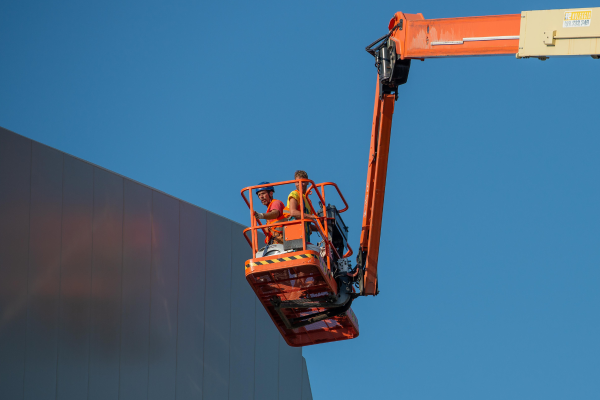
    Working at heights refers to any work performed where there is a risk of a person falling from one level to another. This includes work on roofs, ladders, scaffolding, elevated platforms, or near open edges or penetrations.

    Common working at heights activities include:

    • Roof work and roof maintenance
    • Window cleaning
    • Construction work
    • Working from scaffolding
    • Telecommunications installation
    • Painting and maintenance work
    • Working near loading docks or mezzanines
    • Use of ladders or elevated work platforms

    Any work where a fall could occur is considered working at heights and must be managed under working at heights safety regulations.

    Speak to a Working at Heights Safety Expert

    Working At Heights Hazards And Risks

    There are many working at heights hazards that must be identified before work begins. A working at heights risk assessment is required to identify hazards and implement control measures.

    Common working at heights hazards include
    • Falls from edges, roofs, or ladders
    • Falling objects
    • Unstable or slippery surfaces
    • Poor weather conditions
    • Incorrect use of ladders
    • Inadequate edge protection
    • Poor quality or damaged equipment
    • Incorrect scaffold setup
    • Traffic and mobile plant interaction
    • Lack of training or supervision

    Identifying working at heights risks early allows businesses to implement control measures and reduce the risk of serious injury or fatality.

    Speak to a Working at Heights Safety Expert

    Working At Heights Risk Assessment
    And Compliance Requirements

    Identify working at heights hazards and assess risks.

    Develop safe work procedures for working at heights.

    Implement guardrails, harness systems, or fall arrest systems.

    Inspect ladders, scaffolding, and fall protection equipment.

    Ensure workers are trained in working at heights safety.

    Implement exclusion zones to protect workers below.

    Develop rescue procedures for working at heights incidents.

    Maintain records to demonstrate compliance with WHS regulations.

    Control Measures And
    Working At Heights Safety Outcomes

    Working at heights safety outcomes focus on preventing falls through proper planning, equipment, and procedures. By identifying risks early and ensuring controls, training, and inspections are in place, businesses can reduce incidents and meet WHS requirements.

    Statistics About Industry

    Working at heights is one of the most hazardous activities in the workplace, necessitating strict safety measures to prevent injuries and fatalities.

    13%

    In 2022, falls from heights accounted for 13% of all workplace fatalities in Australia, one of the leading causes of death in high-risk industries.

    44%

    Falls from heights contribute to more than half of all injuries in the construction sector, accounting for 44% of workers’ compensation claims.

    $75,000

    Failing to adhere to safety standards for working at heights can result in significant penalties, with recent fines averaging $75,000 for violations.

    Our Process

    1

    Working At Heights Risk Assessment

    We identify working at heights hazards and assess risks.

    2

    Develop Safety Procedures And Controls

    We develop working at heights procedures and control measures.

    3

    Implementation And Compliance Support

    We assist with implementation, training, and compliance.

    Case Study

    A maintenance company regularly performed roof work and used ladders and elevated platforms. A working at heights risk assessment identified inadequate edge protection, lack of rescue procedures, and inconsistent training records.

    Your Safety Partners developed working at heights procedures, rescue plans, and training systems, improving safety and ensuring compliance with working at heights regulations.

    Speak to a Working at Heights Safety Expert

    Client Reviews

    These reviews are taken directly from our Google profile and reflect the experience of businesses that have trusted us with their workplace safety systems.

    FAQs

    Working at heights refers to any task performed at elevation where there is a risk of falling. This can include tasks such as roof maintenance, window cleaning, scaffolding, and certain construction activities. 

    Working at heights can include heights as low as 1.5m, and also includes the use of ladders, and the risk of falling to lower ground levels, such as loading bays. It also covers the risk of objects falling onto people below.

    It is legally classified as “high-risk” work in Australia and requires specific safety measures to prevent falls and related injuries, as mandated by Work Health and Safety (WHS) regulations.

    Common hazards of working at heights include:

    • Unstable surfaces
    • Falling objects
    • Wet or slippery conditions
    • Inadequate protective equipment
    • Poor weather
    • Faulty equipment
    • Weight overloading

    Addressing these hazards is crucial as falls from heights are a leading cause of serious injuries and fatalities in the workplace.

    Conducting safety assessments for working at heights is critical because falls are one of the leading causes of workplace fatalities and serious injuries in Australia. 

    In 2022, falls from heights accounted for 13% of all workplace fatalities, with the construction industry being particularly affected. 

    Regular assessments help identify and mitigate risks, ensuring compliance with safety regulations and protecting workers from harm.

    Your Safety Partners provide expert assessments and consulting services to help businesses manage the risks associated with working at heights. 

    We conduct detailed risk assessments, develop safety procedures, and offer training to ensure compliance with Australian standards. 

    Our goal is to create safer working conditions by providing actionable recommendations tailored to your specific needs, helping you maintain a compliant and safe work environment.

    We follow a detailed process to assess your working at heights process, equipment, and environment in the most effective way possible. Our safety consultants have conducted assessments for businesses all over Australia, providing actionable advice and recommendations to promote a safer working environment and ensure compliance with safety laws and regulations. Our process is adaptable to different environments and industries, but looks a little like this:

    • A safety expert arrives at your facility to assess your working at heights practices, equipment, processes, and documentation.

    • We take the time to ask questions (and answer your questions), to ensure we find out as much as possible. The more information we have, the better the recommendations we can provide.

    • We provide a detailed report and process documentation to create a safer, more efficient environment for you and your people.

    Book A Consultation

    Book your free one hour on site safety consultation and speak with a working at heights safety consultant.

    What Happens Next

    • We identify working at heights hazards
    • We conduct a working at heights risk assessment
    • We develop safety procedures and control measures
    • We help implement working at heights safety systems

    Address:
    Lvl 27, 101 Collins Street, Melbourne, Victoria, 3000
    Suite 1046, Ground Level, 100 George St, Parramatta, NSW, 2150

    Business Hours: Mon-Fri 9am-5pm

    Phone: 1300 033 466

    Email: john@yoursafetypartners.com.au


    Request a Call Back from a Safety Consultant

    Submit a form enquiry below and our experienced workplace health and safety consultants will be in touch as soon as possible.


      Latest Insights From Our Safety Consultants

      Stay informed with practical guides and articles written by our safety consultants.

      ISO 14001

      Everything You Need to Know About ISO 14001 Certification (Feature Image: ISO 14001) Sustainability and [...]

      Read More
      ISO 9001

      Everything You Need to Know About ISO 9001 Certification (Feature Image: ISO 9001) For organisations [...]

      Read More
      ISO 45001

      Everything You Need to Know About the Occupational Health and Safety Standard Workplace safety should [...]

      Read More
      Company Convicted & Fined for Pedestrian Injury

      A company was convicted and fined $75,000 for failing to provide adequate safety controls for [...]

      Read More